
Contact Us For Consulting!
We are here to help you. You can reach us from the section below.
I consent to the processing of personal data and accept the user agreement and privacy policy
ADELIX. Well-coordinated teamwork speaks of us

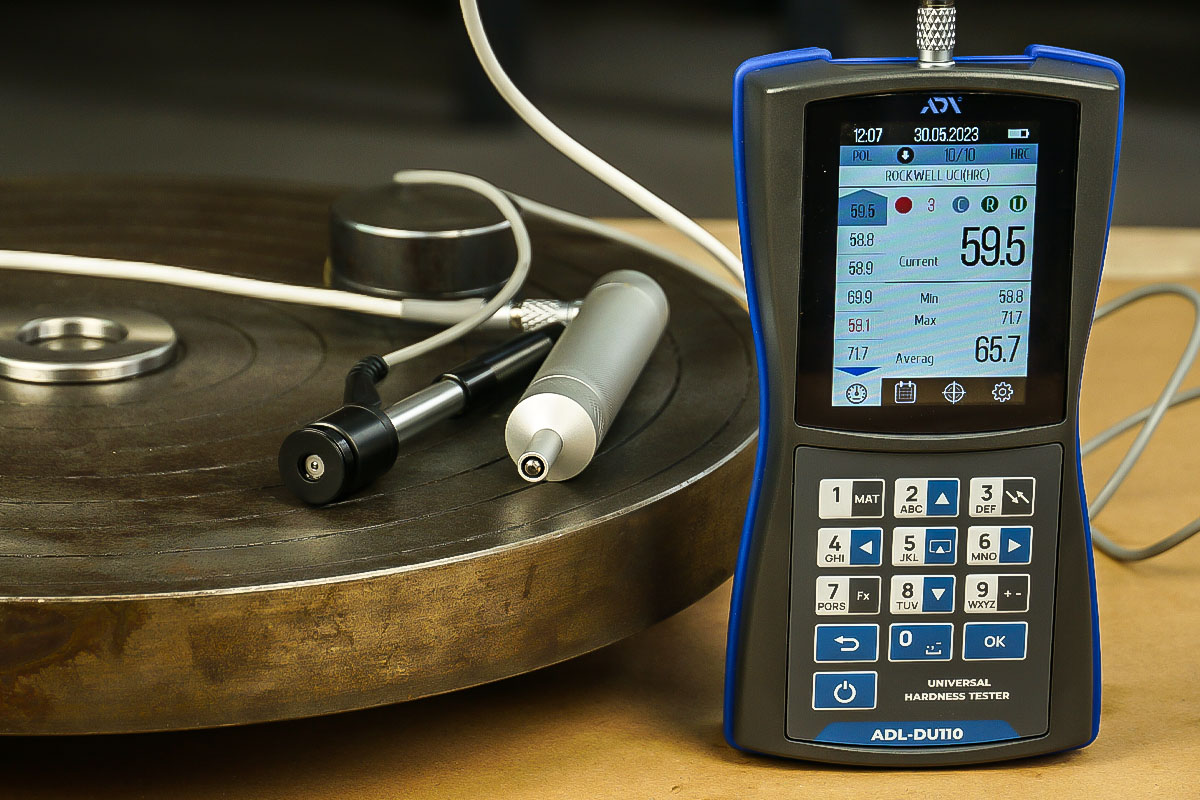
The modern industry demands precision and efficiency in every aspect of production. One of the important parameters determining the quality of materials and products is their hardness. Hardness measurement is necessary for raw material quality control, determining the strength of parts, and detecting defects. In this article, we will explore 10 examples of successful application of the ADL-DU110 device for addressing complex and non-standard tasks in measuring the hardness of various materials.
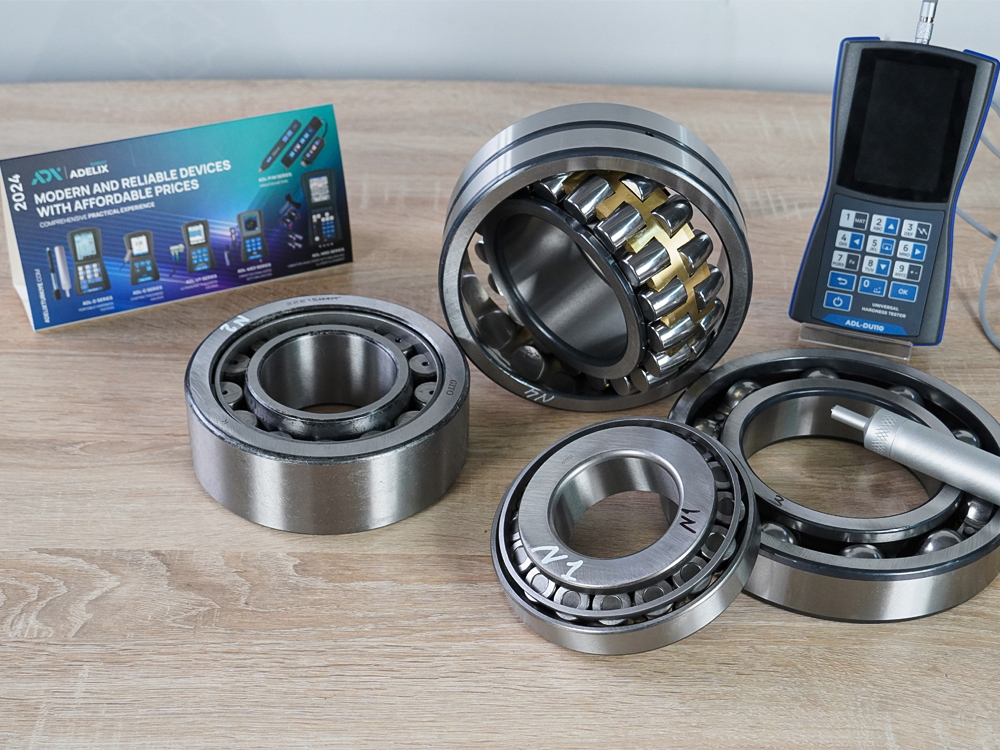
Measuring the hardness of bearings is a key step in quality control in the production of machinery and equipment. Accurate hardness determination ensures that the bearings meet the requirements of design and operating conditions. The ADL-DU110 provides the capability to perform measurements both at bearing manufacturing plants and at third-party facilities involved in equipment repair and maintenance.
The portable hardness tester ADL-DU110 ensures high measurement accuracy, which is particularly important when working with components of mechanisms subjected to significant mechanical loads. By enabling measurements to be taken directly on the production line or in repair workshops, the ADL-DU110 allows for prompt quality control of bearings and the implementation of necessary measures to ensure their reliability and durability.
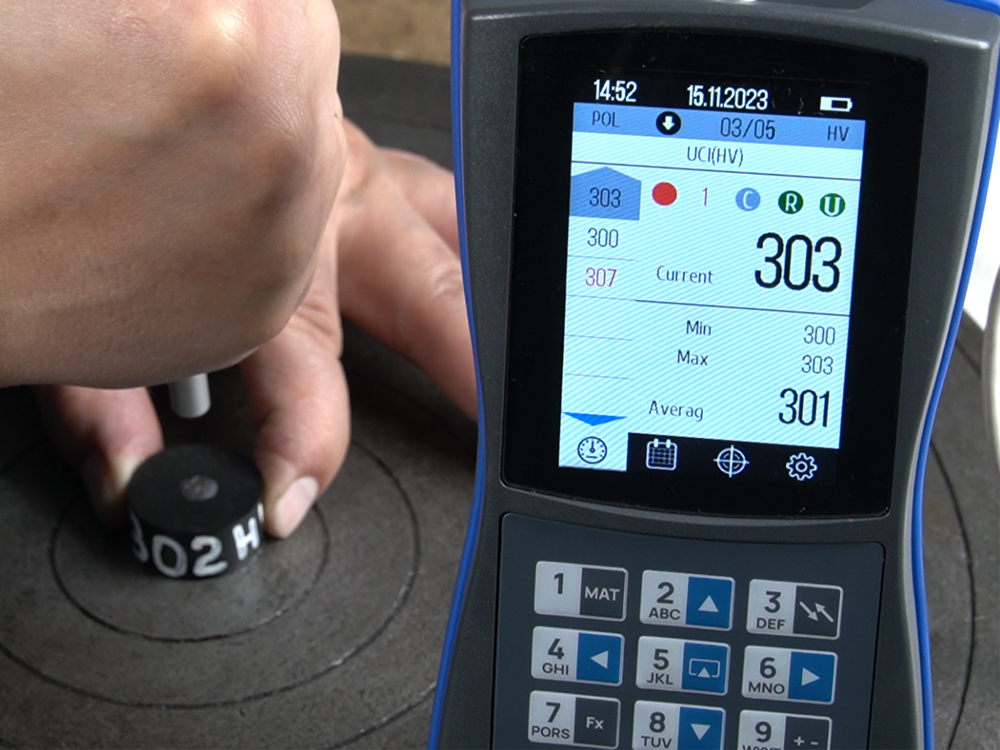
Using the ADL-DU110 for measuring rod hardness enables efficient control over their mechanical properties, which is critically important for manufacturing high-strength components.
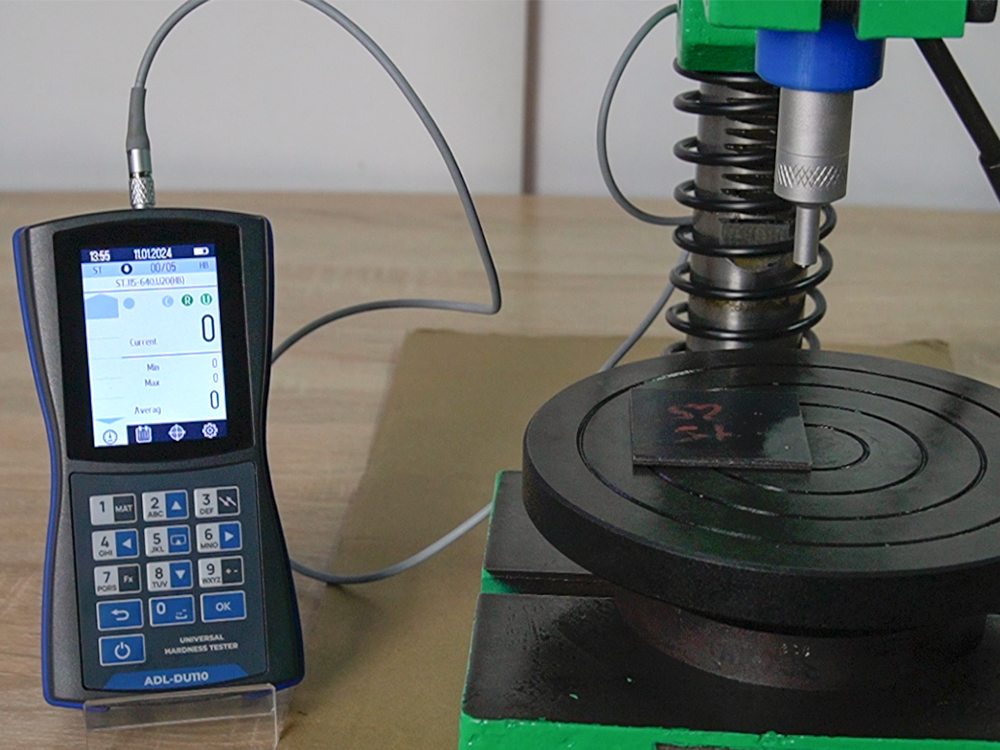
After preparing the surface of the plate, the portable hardness tester ADL-DU110 easily handles the measurement of the hardness of 4mm thick plates, which is an important step in material quality control, especially in industries such as aviation or automotive. In these industries, even slight material deviations can lead to serious consequences, so the accuracy and reliability of hardness measurements play a crucial role.
Even with the presence of coating, the ADL-DU110 provides accurate hardness measurements, enabling quality control of galvanized coating. This is particularly important for manufacturing parts requiring protection against corrosion and wear.
Complex shapes of parts can pose challenges in measurements, however, the ADL-DU110 handles this task well due to its high adaptability and accuracy. This allows manufacturers to control the quality of manufacturing complex components, such as fan blades or mechanical systems with non-standard geometry.
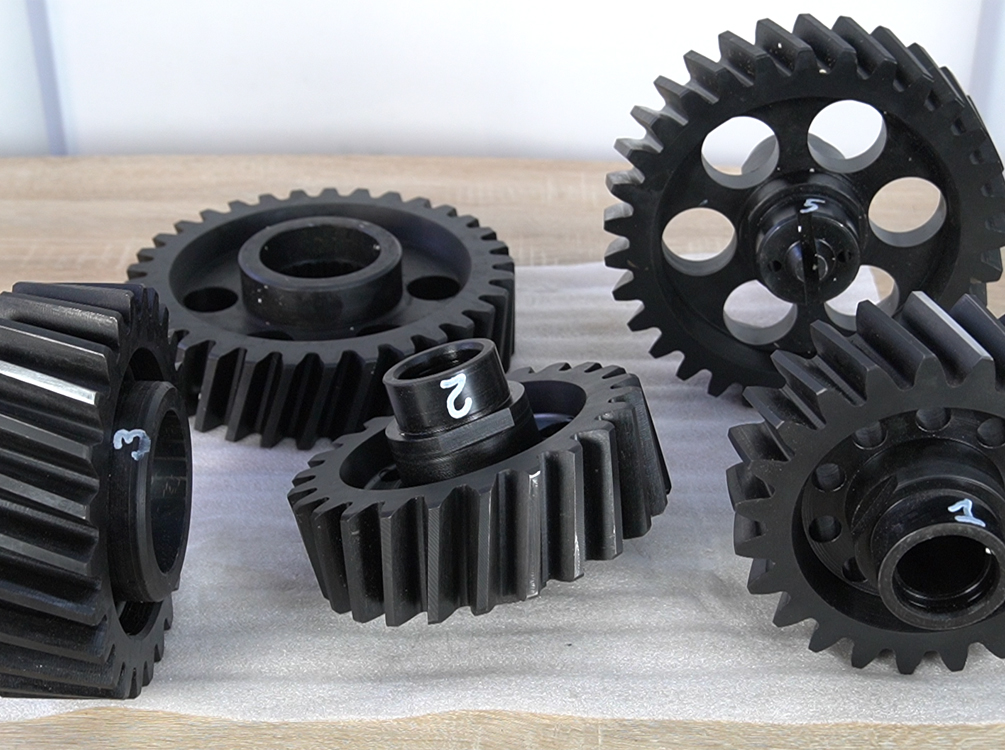
Controlling the hardness of gears is crucial for ensuring their durability and performance, as the functionality of the entire mechanism depends on the accuracy and reliability of these components. The ADL-DU110, a modern portable device for measuring material hardness, provides reliable results necessary for quality gear control.
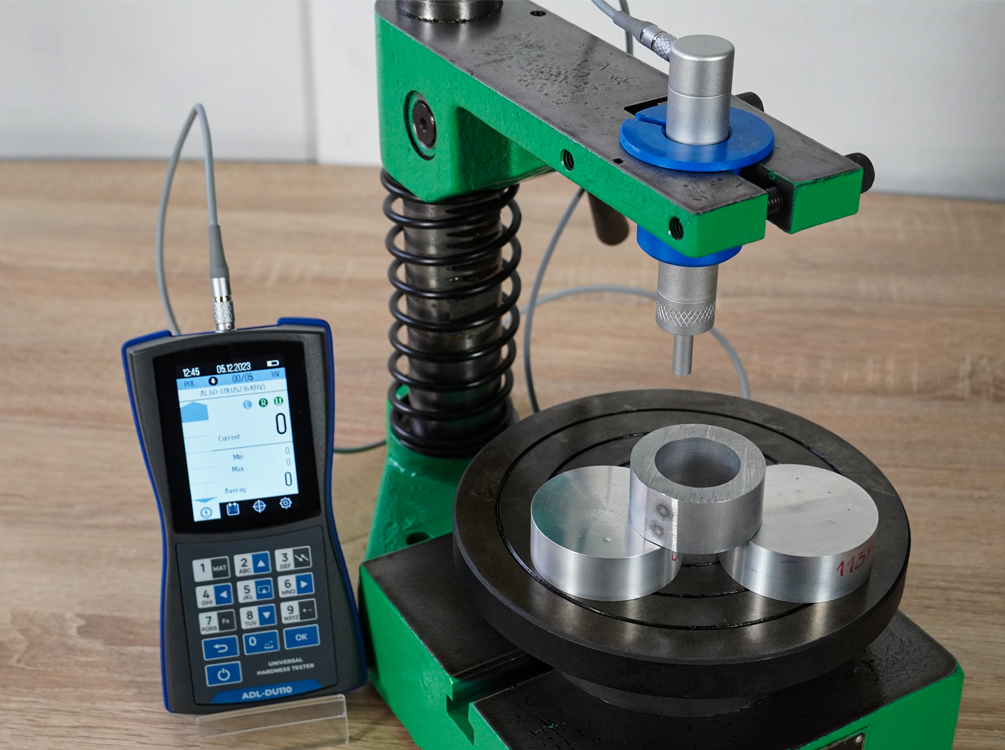
The ADL-DU110 is capable of measuring the hardness of aluminum materials, which is important for a wide range of applications, including the aviation and construction industries. Accurate measurements ensure compliance with strength and safety requirements in various fields of application.
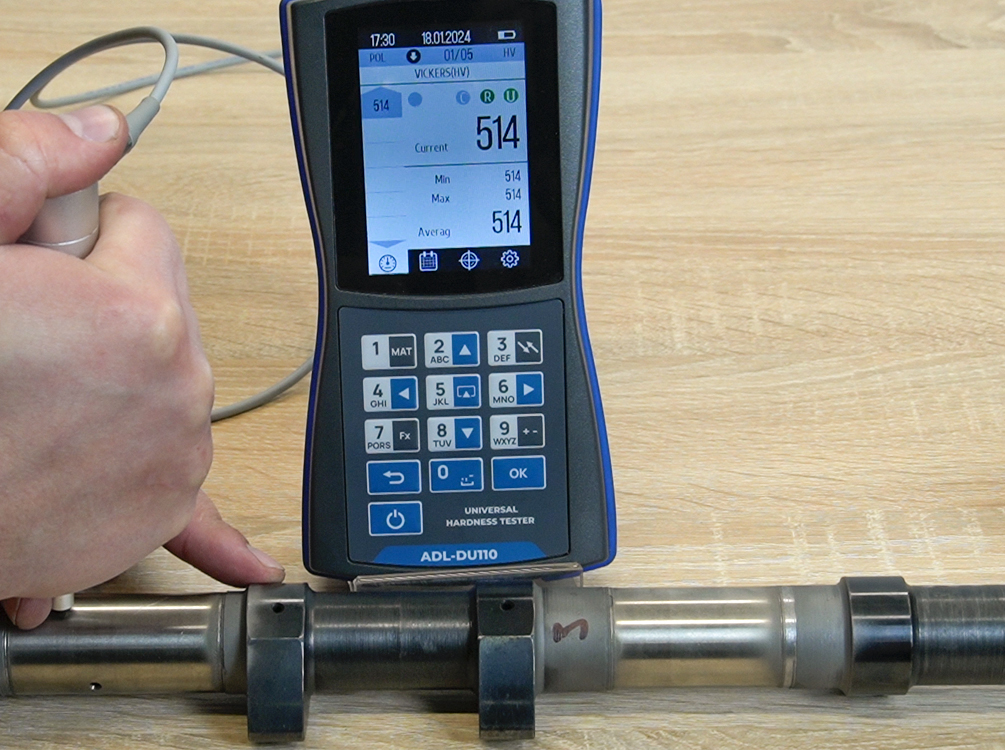
After the surface of the shaft has been restored, measuring its hardness is critically important, and the ADL-DU110 provides accurate results, ensuring repair quality. This helps prevent recurring breakdowns and extends the service life of mechanical systems.
Reliable measurement of knife hardness is necessary to ensure their effectiveness and safe use, and the ADL-DU110 allows this to be done with high accuracy. Precise measurements help guarantee optimal sharpness and durability of blades, which is important for various industries, including metalworking.
Even when measuring thin materials with a thickness of 0.2mm, the ADL-DU110 provides accurate and reliable results, taking into account even minimal differences in their mechanical properties. The ADL-DU110 not only ensures precise hardness measurements for such materials but also delivers fast results, enabling optimization of production processes and reducing product quality inspection time.
The ADL-DU110 opens up new possibilities for solving various complex tasks in material hardness measurement, providing high accuracy and reliability comparable to stationary hardness testers. Its wide range of functions and capabilities make it an indispensable tool for manufacturing and quality control across various industries.

